
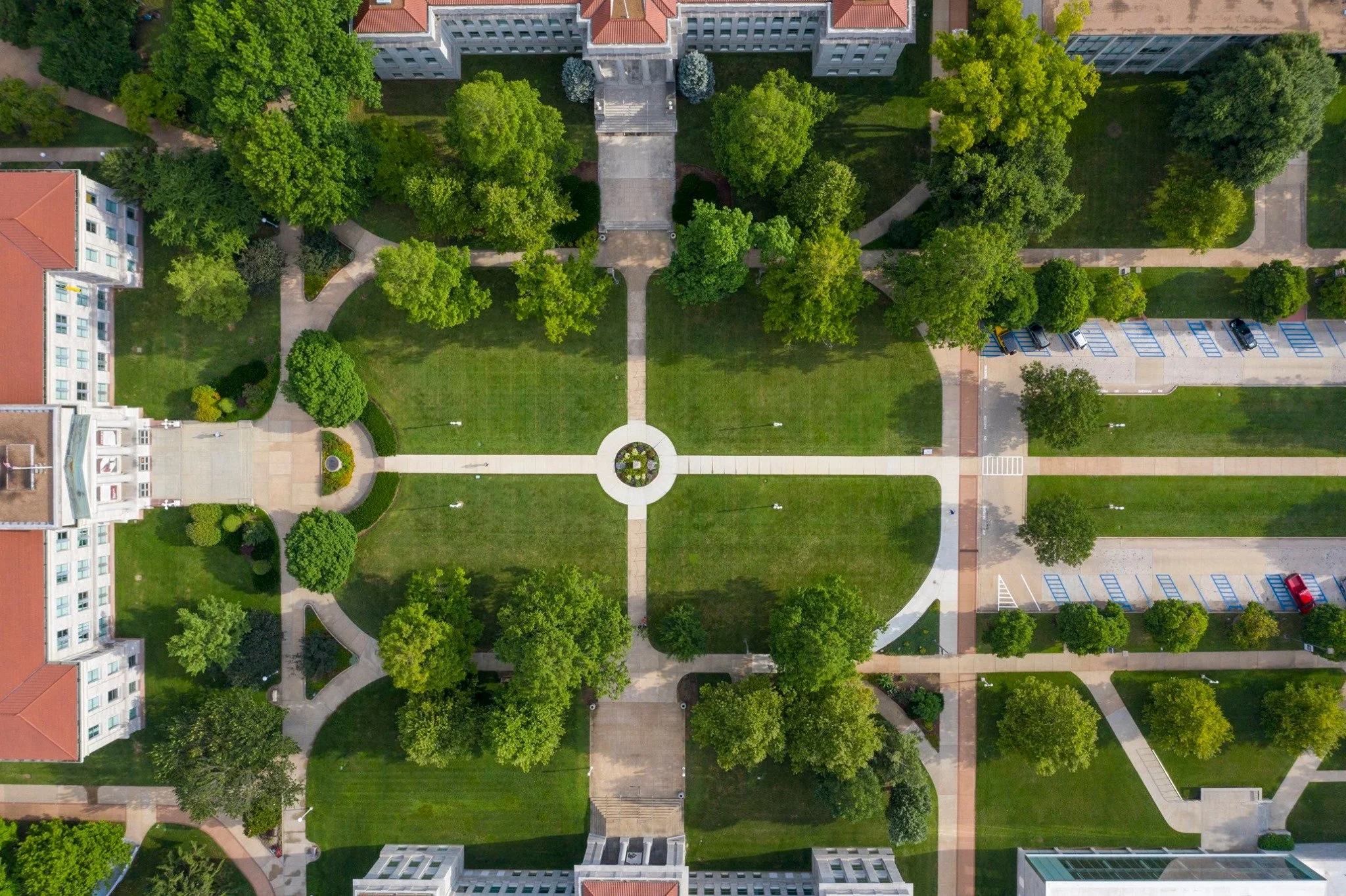
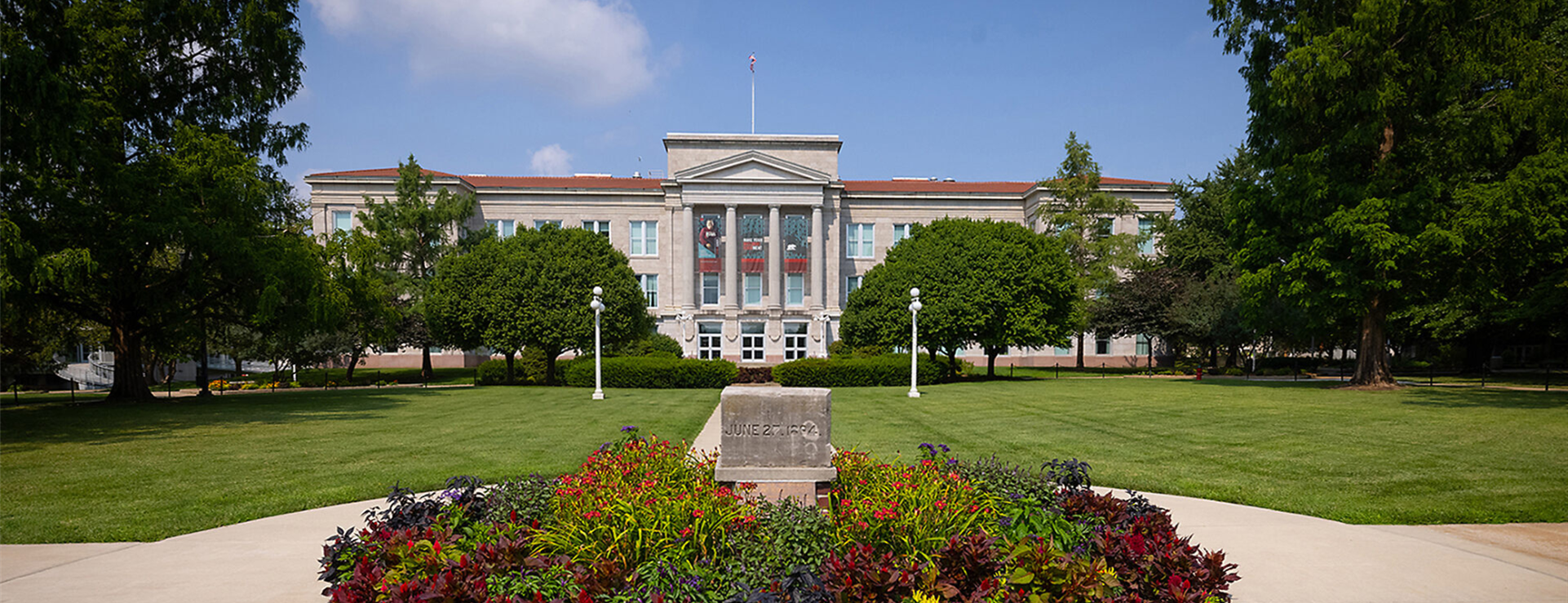
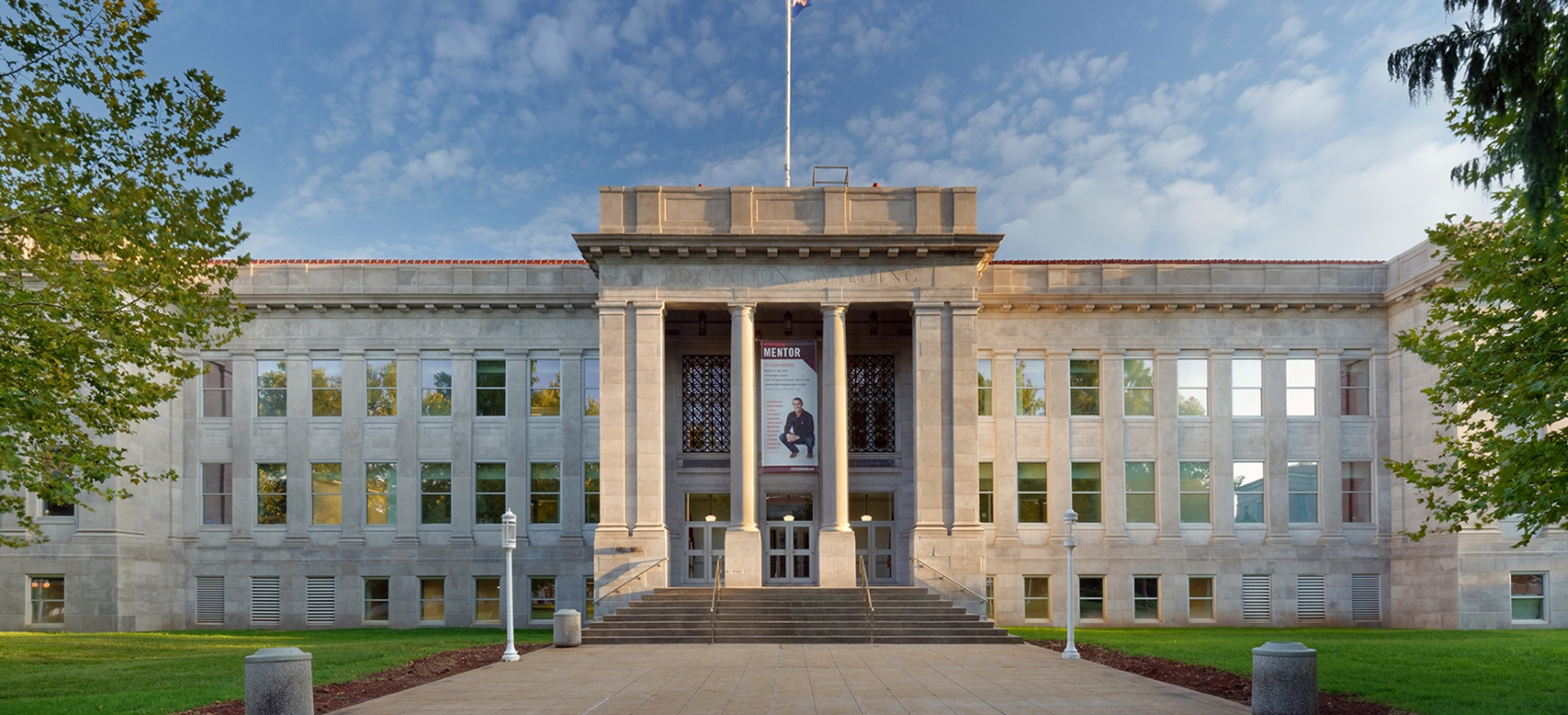
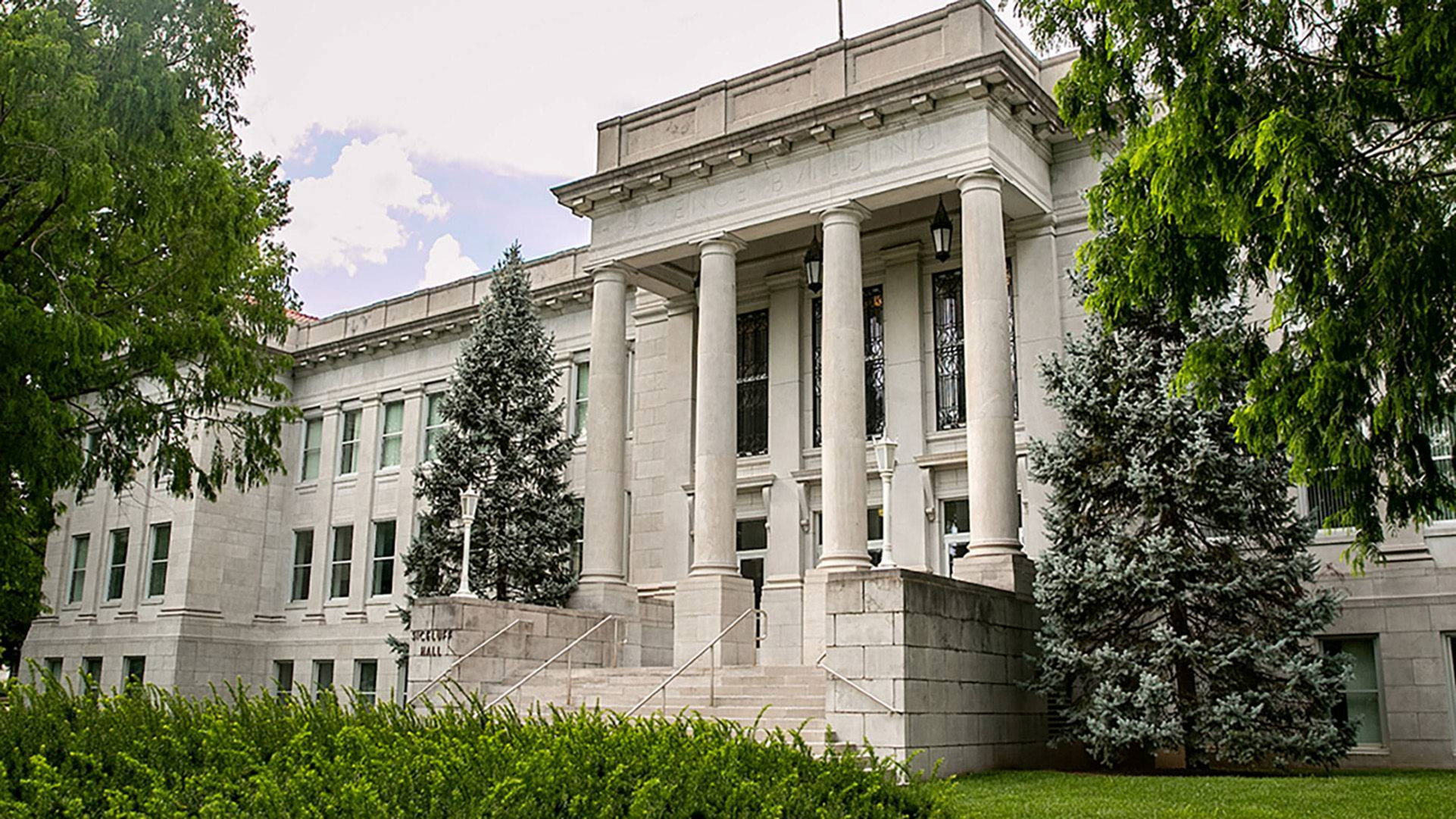
Structural Engineering Associates performed investigations and restoration/repair work on the three buildings comprising Missouri State University’s Historic Campus Quad. The project was divided into phases and began with Siceluff Hall in 2004. These repair projects had strict schedules and all repair work was limited to the summer months so as to limit disruptions on campus.
Siceluff Hall
Built in 1927, Siceluff Hall is a beautiful limestone-clad structure on the MSU campus. Restoration work included below grade waterproofing, stone repair, cleaning and sealing of stone and the removal/replacement of deteriorating concrete elements. This project also involved the strengthening of roof framing members. Bancroft served to assist MSU in their commitment to this building and the history of the campus.
Carrington Hall
Construction on this mammoth building began in 1908, making Carrington Hall the oldest structure on campus. It is a load bearing masonry three-story structure with interior reinforced concrete columns and floor slab systems. Bancroft’s study found that Carrington suffered from mortar deterioration and deterioration from the elements. The building was cleaned, sealed and tuckpointed. Damaged stone was patched using a stone patch material, which was specially formulated to match the existing stone. As a result, the patches are virtually undetectable. Carrington Hall also utilized cast stone for the decorative top band. This was some of the earliest use of cast stone in the United States. Repair methods had to be developed which would accommodate natural stone and cast stone. Carrington Hall features a band of granite stone around the base of the building. Over time, this stone became faded and lifeless. The application of a stone restorer brought back the brilliance of the beautiful red granite, bringing new life to the building.
Hill Hall
Built in 1924, Hill Hall is a load bearing masonry three-story structure with a limestone veneer, interior concrete framing and wood roof trusses. After the initial building investigation, it was clear that the major concern was deterioration of some of the building stone. The stone was patched, deteriorated mortar joints were replaced and the building was cleaned to remove dirt and stains. Several penetrations had been made in the original veneer for drains and plumbing. These were identified, indicated on the drawings and repaired by the restoration contractor utilizing a specially formulated stone patch material that resulted in an excellent match.
During the initial investigation, settlement problems were also uncovered at the building’s ADA access ramp, which had been added approximately 75 years after the original construction. It had undergone considerable settlement, so extensive excavation and underpinning were performed to stabilize and lift the ADA ramp back to its original location.
Client
Missouri State University
Location
Springfield, MO
Dates
Design - 2004 - 2008
Construction - 2005 - 2011
Bancroft Services
Structural Engineering, Facade Analysis, Structural Forensic Analysis